
Introduction:
As we get older, physical health starts to take on far more importance. Strength training, which is often overlooked by older people, has countless benefits that really can change lives. Here are five powerful reasons why strength training is so essential for older people:
- Better Bone Health
Bone density loss, as well as osteoporosis, is the fear of most seniors. Strength training increases muscle mass and bone growth through adequate density. Strong bones result from continuous resistance exercises like weight lifting, which will reduce the risk of fractures and osteoporosis.
- Increases Muscle Mass and Strength
As one ages, muscle mass is lost in a medical condition known as sarcopenia. This loss can cause weakness and more frequent falls. The impacts of sarcopenia are countered by strength training through the development and maintenance of muscle mass, coupled with an overall increase in strength, balance, and stability. In this way, strength helps older people perform their daily activities more independently.
- Increases Metabolic Rate
Because muscle mass increases the metabolic rate, a high metabolic rate implies that when a person is relaxed, he is burning a high proportion of daily calories. This assists in managing body weight and preventing obesity-related conditions, especially diabetes and heart disease. Being at a healthy weight is extremely important for general health and longevity in seniors.
- Enhances Mental Health and Cognitive Function
There is a body of research that points to the fact that physical activity, inclusive of strength training, relates to favorable mental health. Physical activity also offers a release of endorphins that enhance mood and operate in the reduction of symptoms of anxiety and depression. Strength training can also get cognitive function up through blood flow in the brain and stimulation in the brain through the release of BDNF.
- Increases Ease of Movement and Flexibility
Strength training makes the building of muscle better, and also joint flexibility and mobility are improved. This is particularly important for the elderly to continue living an active life by reducing the possibility of injuries. Flexible exercises targeting various muscle groups can be beneficial in being more flexible in essential everyday activities.
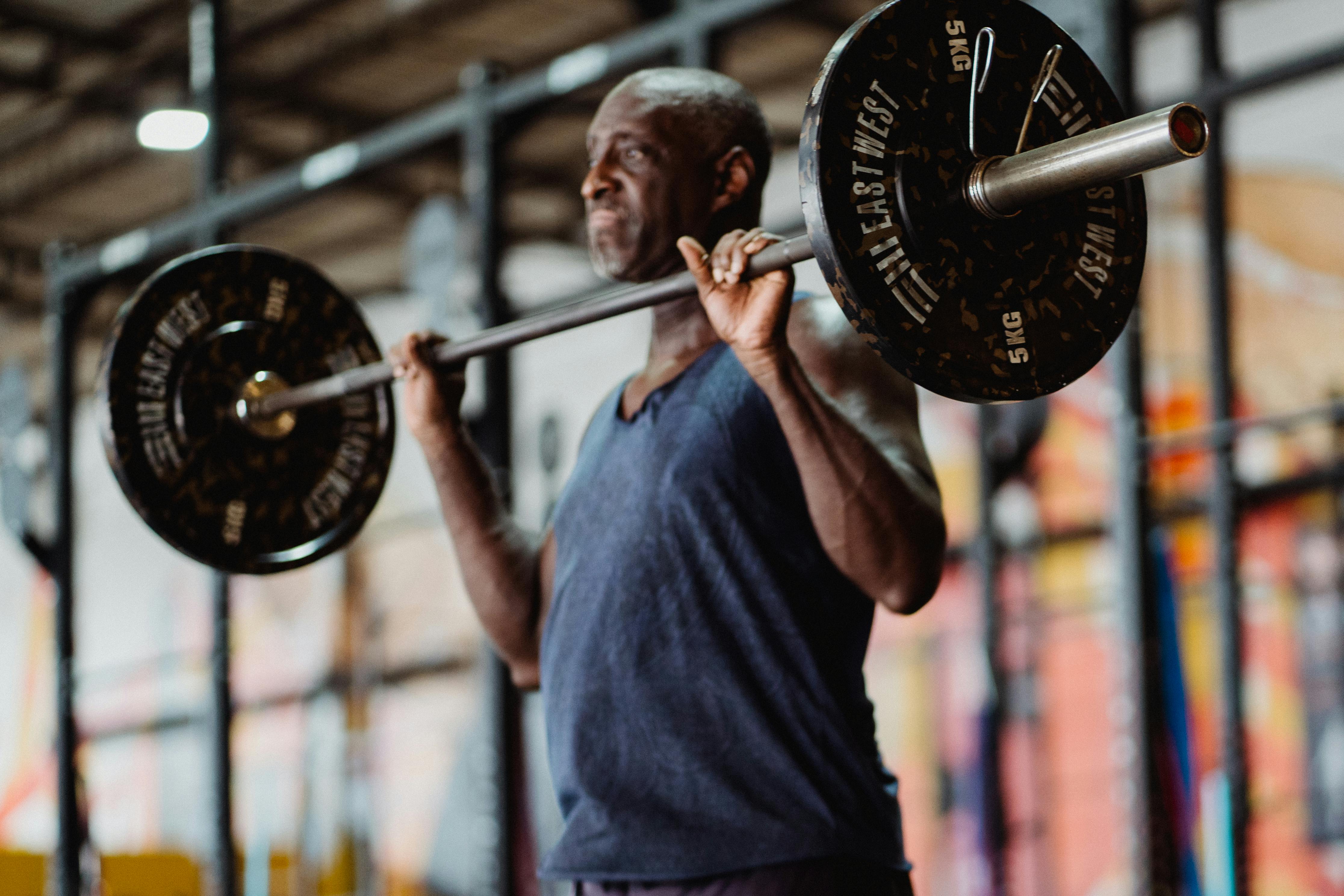
Incorporating Weight Lifting Into An Elderly Lifestyle
1. Start Slow and Light
- Begin with light weights and focus on proper form and technique. This helps prevent injuries and allows the body to adapt to the new activity.
2. Focus on Major Muscle Groups
- Incorporate exercises that target the major muscle groups: legs, back, chest, shoulders, arms, and core. Examples include squats, lunges, bench presses, rows, and bicep curls.
3. Use Machines and Free Weights
- Both machines and free weights have their benefits. Machines can provide more stability and support, while free weights can improve balance and coordination. A mix of both can be beneficial.
4. Incorporate Functional Exercises
- Functional exercises mimic daily activities and can help improve strength and mobility for everyday tasks. Examples include standing from a seated position (sit-to-stand) and carrying groceries (farmer’s walk).
5. Include a Warm-Up and Cool-Down
- Begin each session with a warm-up to increase blood flow and prepare the muscles for exercise. A cool-down session with stretching can help prevent soreness and improve flexibility.
6. Progress Gradually
- Gradually increase the weight and intensity of the exercises as strength improves. Progression should be slow and steady to avoid overexertion and injury.
7. Maintain Consistency
- Aim for at least two to three weight lifting sessions per week. Consistency is key to seeing improvements in strength and overall health.
8. Listen to the Body
- Pay attention to how the body feels during and after exercise. Rest and recovery are important, especially if there is any pain or discomfort.
Conclusion
This way, strength training has several benefits for a senior, from improving bone health and muscle mass to increasing the metabolic rate and mental well-being. In the meantime, adding strength training to a regular exercise program is bound to have a tremendous positive influence on quality of life and enable seniors to maintain their independence. It’s never too late to start reaping the rewards of strength training, so add it to your fitness program today!


Leave a Reply